
Martin Wickramasinghe
Martin Wickramasinghe is considered one of the most influential and respected authors in Sri Lanka. He was born on May 29, 1890, in Koggala, a small village near Galle in the Southern Province. His father, Don Bastian Wickramasinghe, died when he was a child, and his mother, Magalle Janis Appuhamy, raised him with great care. He received his early education in the village temple school (pirivena), where he studied Sinhala, Pali, and Buddhism. Later, through self-study, he learned English, Tamil, and Sanskrit, which helped him gain a wide understanding of both Eastern and Western cultures.
Wickramasinghe began his writing career as a journalist and essayist. His first published book was Leela in 1914. Later, he became famous for his novels that realistically portrayed Sri Lankan village life. His best-known work, Gamperaliya (The Uprooted), published in 1944, is considered a masterpiece in Sinhala literature. It was followed by Kaliyugaya and Yuganthaya, completing a trilogy that explores the transformation of traditional society under modernization and Western influence. Gamperaliya was later made into a film by Dr. Lester James Peries, which received international recognition. Apart from novels, Wickramasinghe wrote essays, short stories, poetry, and literary criticism. His children’s novel Madol Doova is still loved by students in Sri Lanka and has been translated into several languages. He also wrote philosophical works such as Bawdiya, Jathika Chintanaya, and Buddhism and Culture, where he discussed the importance of Buddhist thought in daily life and national identity. His writings encouraged people to appreciate Sri Lanka’s unique cultural heritage while embracing positive modern changes.
Wickramasinghe was not only a writer but also a social thinker and reformer. He believed literature should serve society and reflect the struggles, dreams, and values of ordinary people. Through his characters and stories, he showed how traditional village life was being challenged by new economic and social forces. His work helped to modernize Sinhala literature, making it more realistic and human-centered. Today, his birthplace in Koggala has been turned into the Martin Wickramasinghe Folk Museum Complex, which preserves his personal belongings, manuscripts, and cultural artifacts that reflect Sri Lankan village life. He passed away on July 23, 1976, leaving behind a great literary legacy. His ideas about culture, identity, and modernization continue to influence Sri Lankan literature, education, and art even today. Martin Wickramasinghe remains a symbol of wisdom, creativity, and national pride.


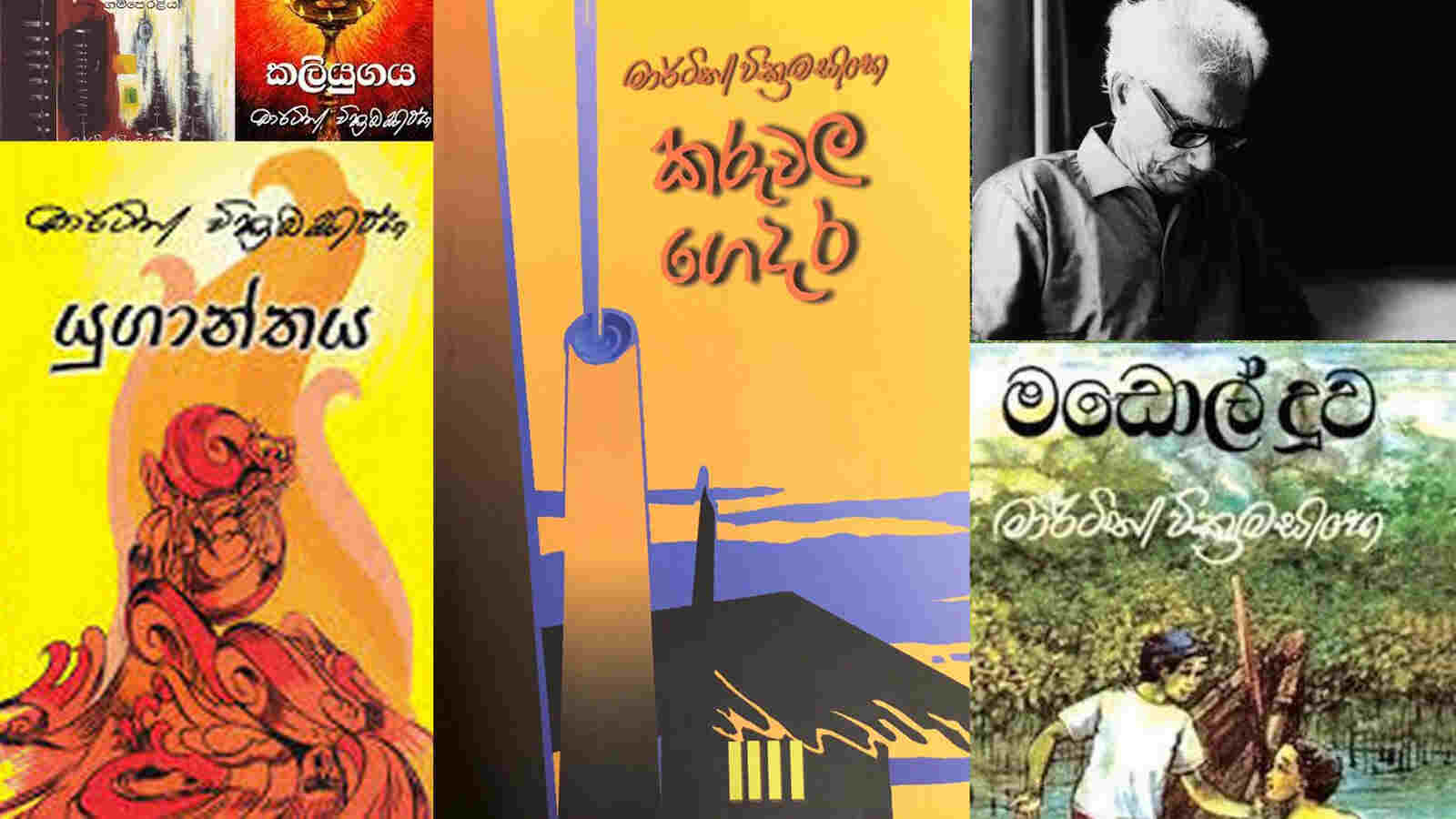
Martin Wickramasinghe (1890–1976) was one of Sri Lanka’s greatest writers and thinkers, widely recognized for his contribution to modern Sinhala literature. Born in Koggala in southern Sri Lanka, he grew up in a traditional rural environment, which later became the central inspiration for many of his writings. Wickramasinghe began his career as a teacher and journalist, which helped him develop his literary skills and deep understanding of society. He wrote novels, short stories, and essays that vividly portray village life, cultural traditions, and social changes. His works often explore human nature, morality, and the psychological struggles of individuals within society.
Among his most famous novels are Gamperaliya (“The Transformation of a Village”), Kaliyugaya (“The Age of Darkness”), and Yuganthaya (“The End of an Era”). These novels are notable for their realistic depiction of rural life, blending storytelling with philosophical reflections on cultural identity, modernization, and social change. Gamperaliya was also adapted into a critically acclaimed film, bringing his work to a wider audience. Wickramasinghe’s literary style is clear, simple, and accessible, making his stories relatable while preserving the richness of Sri Lankan culture. Beyond literature, he was deeply engaged in cultural and intellectual discussions, influencing generations of writers and thinkers in Sri Lanka. Today, his works are widely studied in schools and universities, reflecting both their artistic value and cultural significance. In summary, Martin Wickramasinghe was a pioneer of modern Sinhala literature, whose writings continue to inspire and educate, providing a window into Sri Lankan life, traditions, and the human experience.

Martin Wickramasinghe was one of Sri Lanka’s most influential writers, essayists, and critics. Born on May 29, 1890, in the village of Koggala in southern Sri Lanka, he grew up surrounded by rural traditions, folklore, and village life. These early experiences deeply shaped his literary vision and became central themes in his works. He began his career as a journalist but soon emerged as a major novelist and literary critic. His writings often explore the tension between tradition and modernity, rural and urban life, and the social and cultural changes in Sri Lanka during the 20th century. Wickramasinghe’s unique ability to blend realism with cultural insight made his work both engaging and thought-provoking. Among his most notable works is the Gamperaliya trilogy. Gamperaliya (1944) depicts the transformation of a traditional Sri Lankan village under the impact of modernization. Its sequel, Kaliyugaya (1957), examines social and moral changes during the early 20th century, while Yuganthaya (1975) portrays political and economic shifts affecting Sri Lankan society. These novels not only tell compelling stories but also provide a detailed record of the country’s cultural evolution. Apart from fiction, Wickramasinghe wrote essays and literary criticism focusing on Sri Lankan culture, art, and literature. He emphasized the importance of preserving national heritage while adapting to modern challenges. His contributions earned him several awards, including the Sahithya Academy Award, and recognition as a member of the Sri Lanka Arts Council. Martin Wickramasinghe passed away on February 23, 1976, leaving a lasting legacy in Sri Lankan literature. His novels, essays, and critical works continue to be studied, translated, and adapted into films, inspiring generations to appreciate Sri Lanka’s rich cultural heritage.


Early Life Martin Wickramasinghe was born on May 29, 1890, in Koggala, a small village in southern Sri Lanka. Growing up in a rural environment, he was deeply influenced by village traditions, folklore, and local culture. These early experiences shaped the themes of his later literary works. Literary Career He started his career as a journalist and gradually became a famous novelist, essayist, and literary critic. His writings often explore the tension between tradition and modernity, rural and urban life, and the social and cultural changes occurring in Sri Lanka during the 20th century. Major Works Wickramasinghe’s most famous works include the Gamperaliya trilogy:
Awards and Recognition He received several awards, including the Sahithya Academy Award, for his significant contributions to literature. He was also a member of the Sri Lanka Arts Council. Legacy and Death Martin Wickramasinghe passed away on February 23, 1976. His novels, essays, and critical works continue to inspire writers, scholars, and artists. He is remembered as a key figure in Sri Lankan literature and for preserving and promoting the country’s cultural heritage.